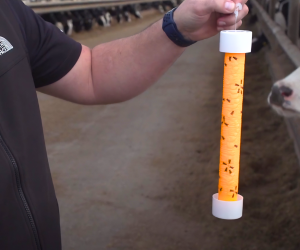


Ant Control
Ant control starts with understanding what you’re dealing with. Different ant species behave differently, which means effective ant pest control begins with proper identification. Choosing the right pest control for ants, including the right ant control spray or bait, helps you stop infestations more effectively.
-
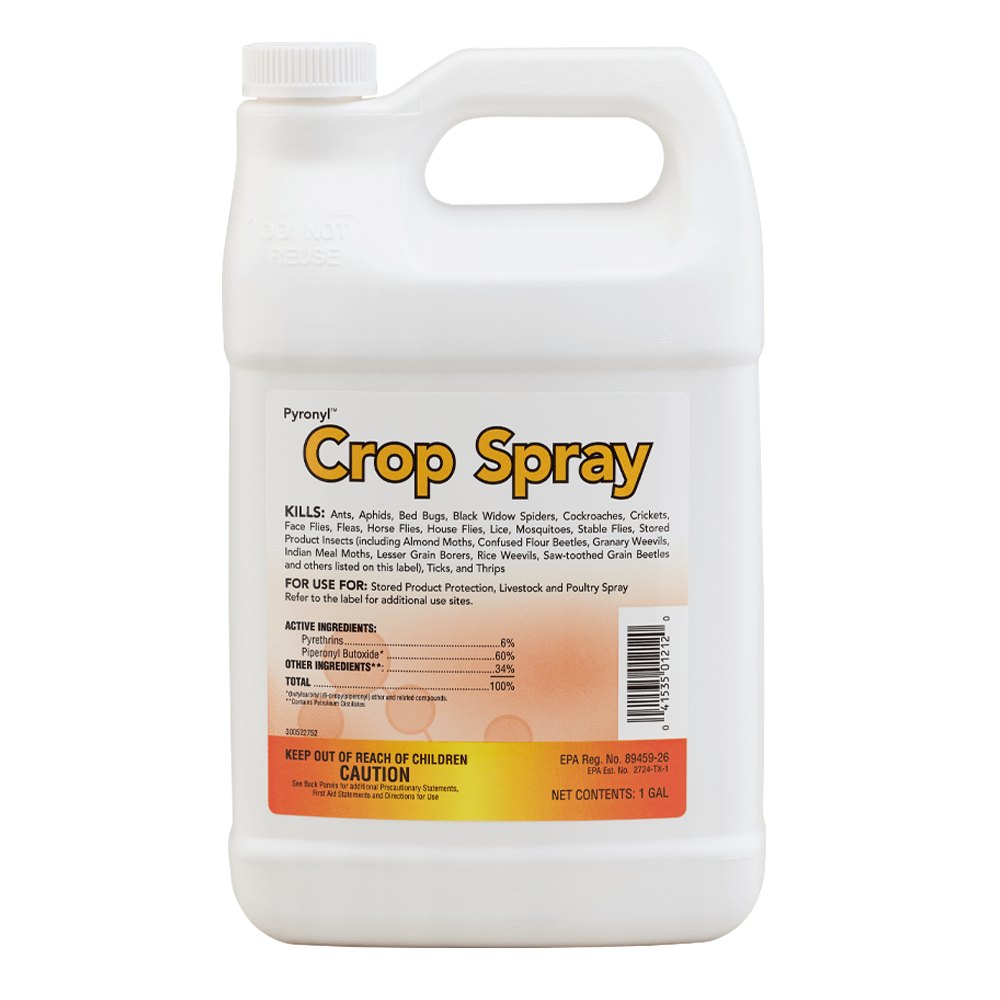
Pyronyl™ Crop Spray
A broad-spectrum insectide for use in dairies and feedlots as well as in poultry and swine operation for reliable control as part of an IPM program.
-
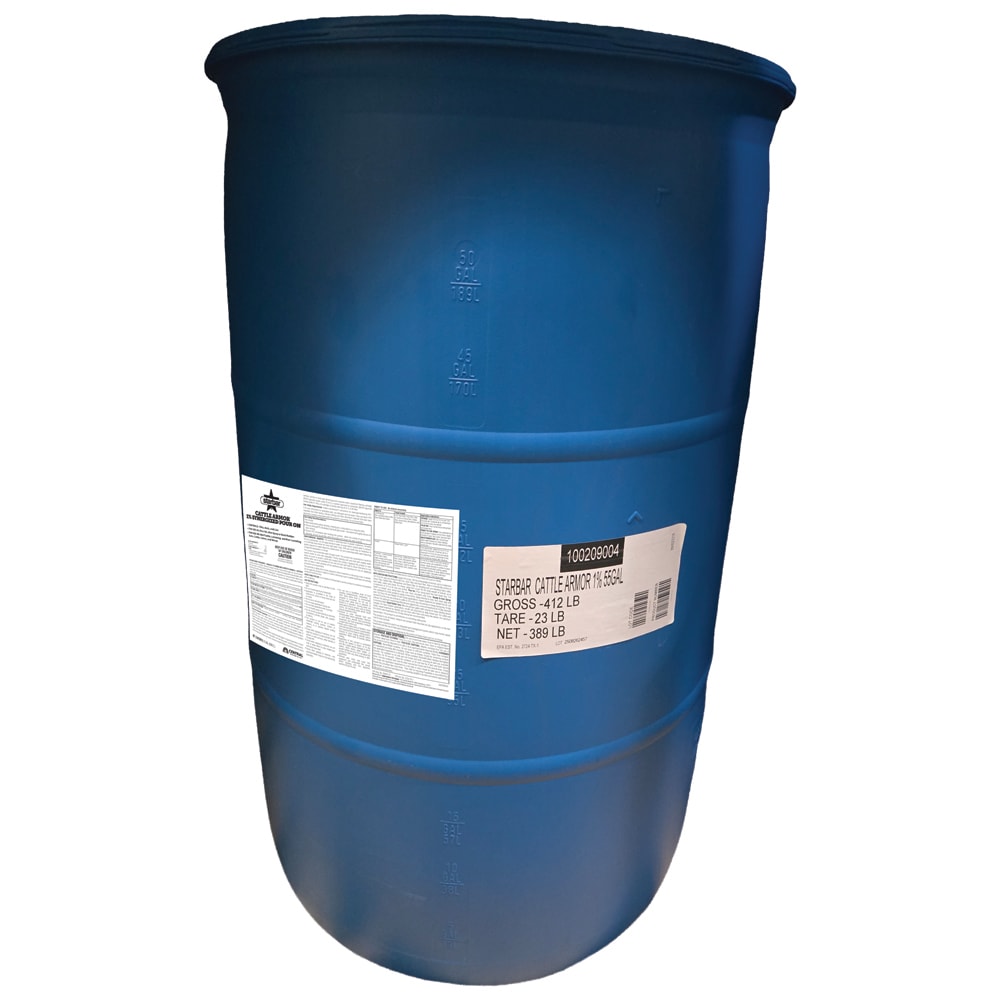
Cattle Armor™ 1% Synergized Pour On
An on cattle pour-on to control flies and lice on cows. It can be applied as a spray mist or back rubber on pasture, in the feed lot.
-
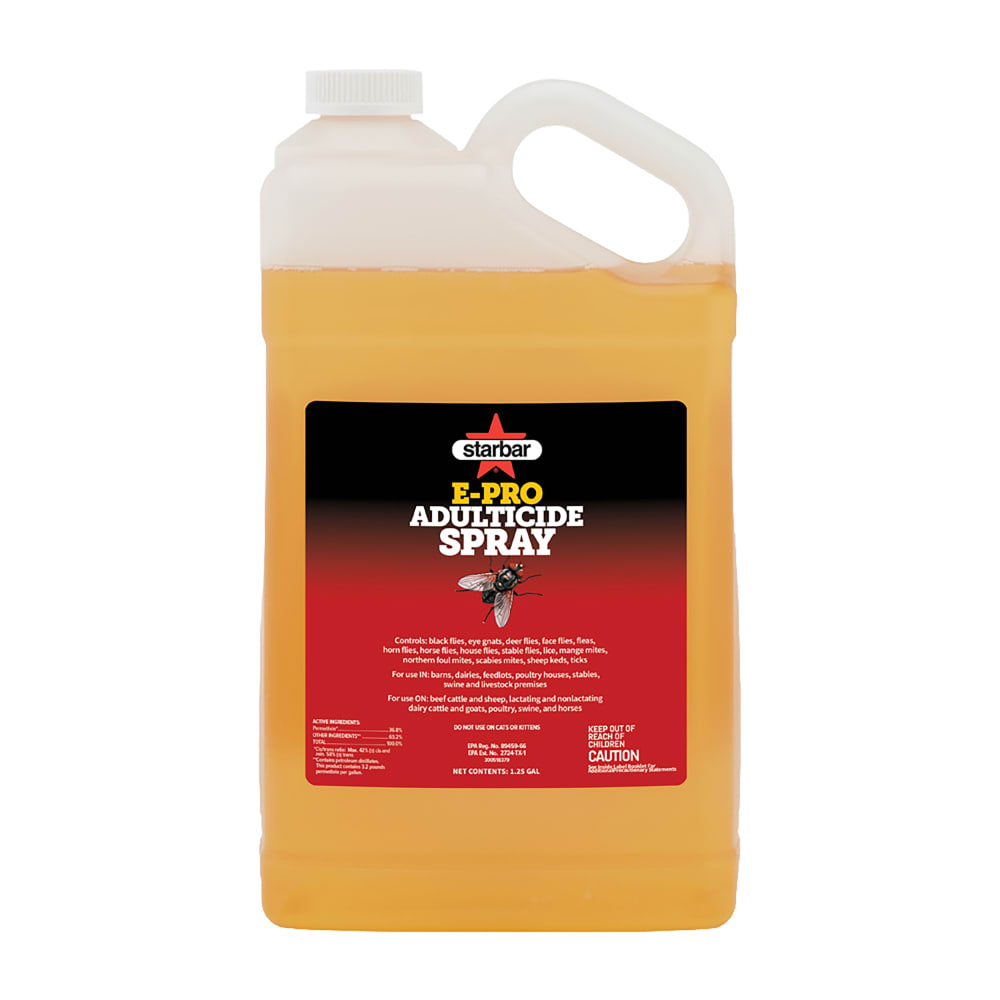
Starbar® E-Pro Adulticide Spray
A highly reliable insecticidal spray that controls flies and other bitting insects such mites lice and ticks on cattle swine poultry and horses.
-
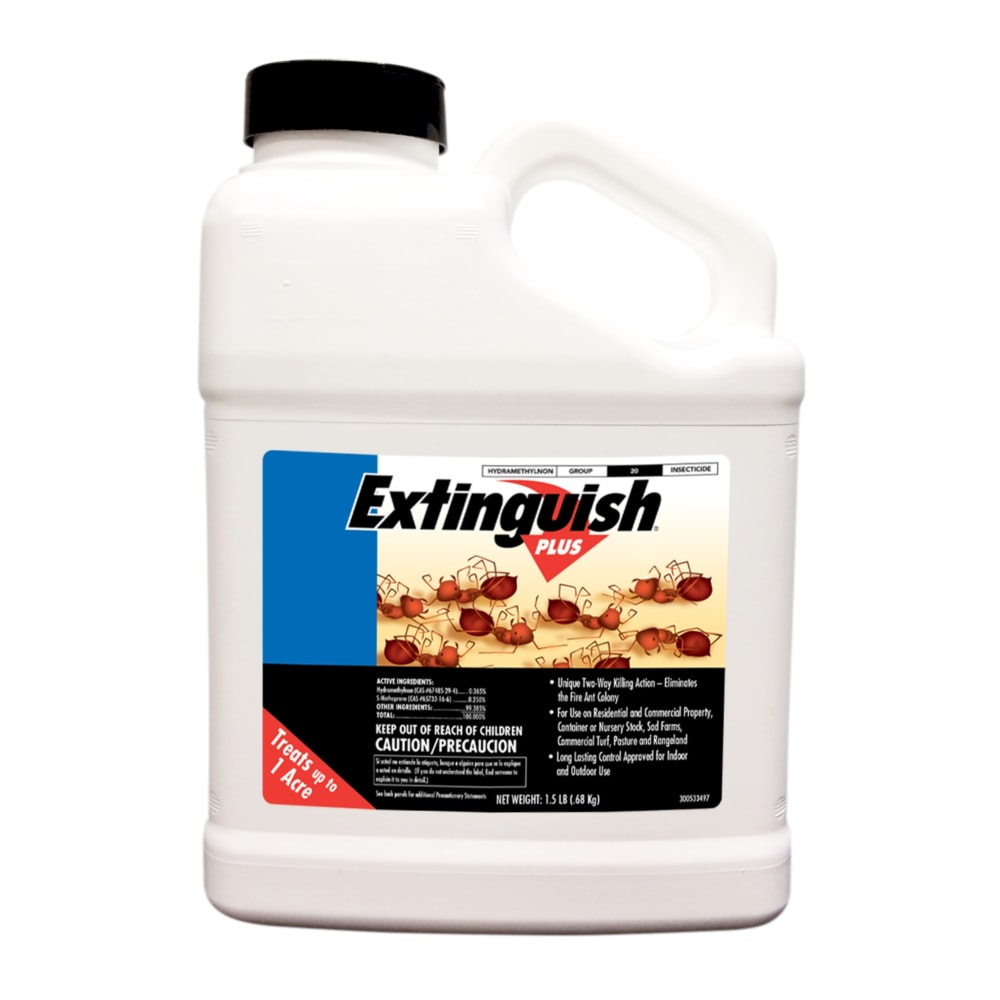
Extinguish® Plus
A combination IGR and adulticide that controls fire ants in pastures and around farms by killing worker ants and sterilizing the queen.
-
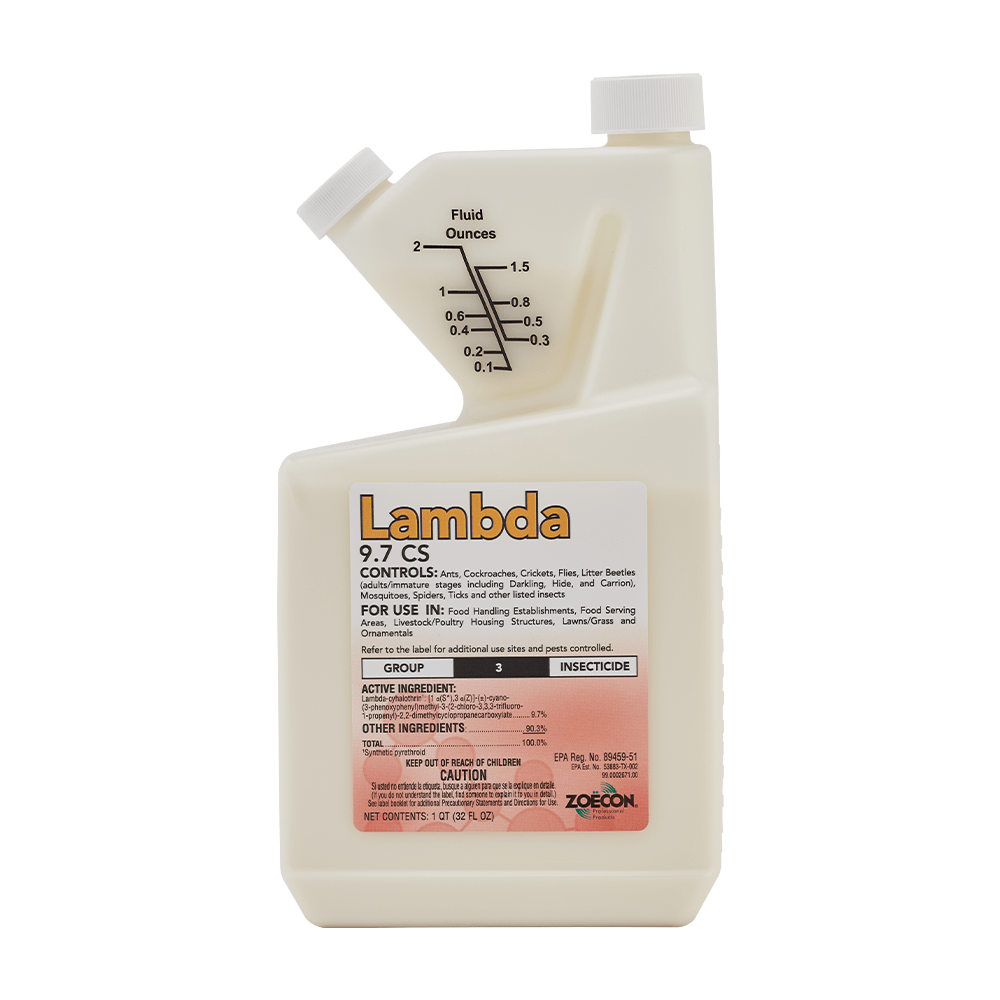
Lambda 9.7 CS
High quality adulticide for insect control in livestock areas and other farm structures. Great for perimeter treatments as part of an IPM protocol.
-
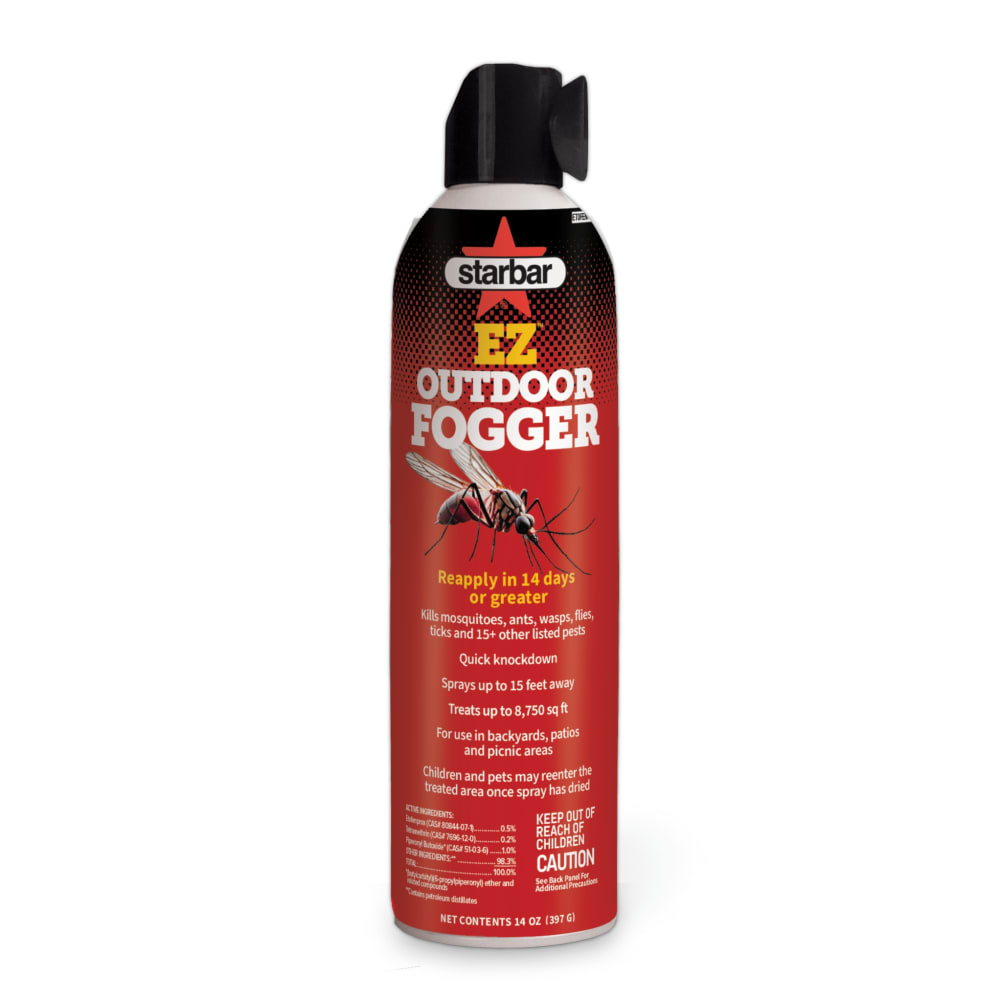
Starbar® EZ™ Outdoor Fogger
Starbar® EZ™ Outdoor Fogger kills mosquitoes, ticks, wasps, and 15+ pests. Sprays up to 15 feet and treats up to 8,750 sq ft. Perfect for backyards, patios, and picnic areas.
Identifying Fire Ants
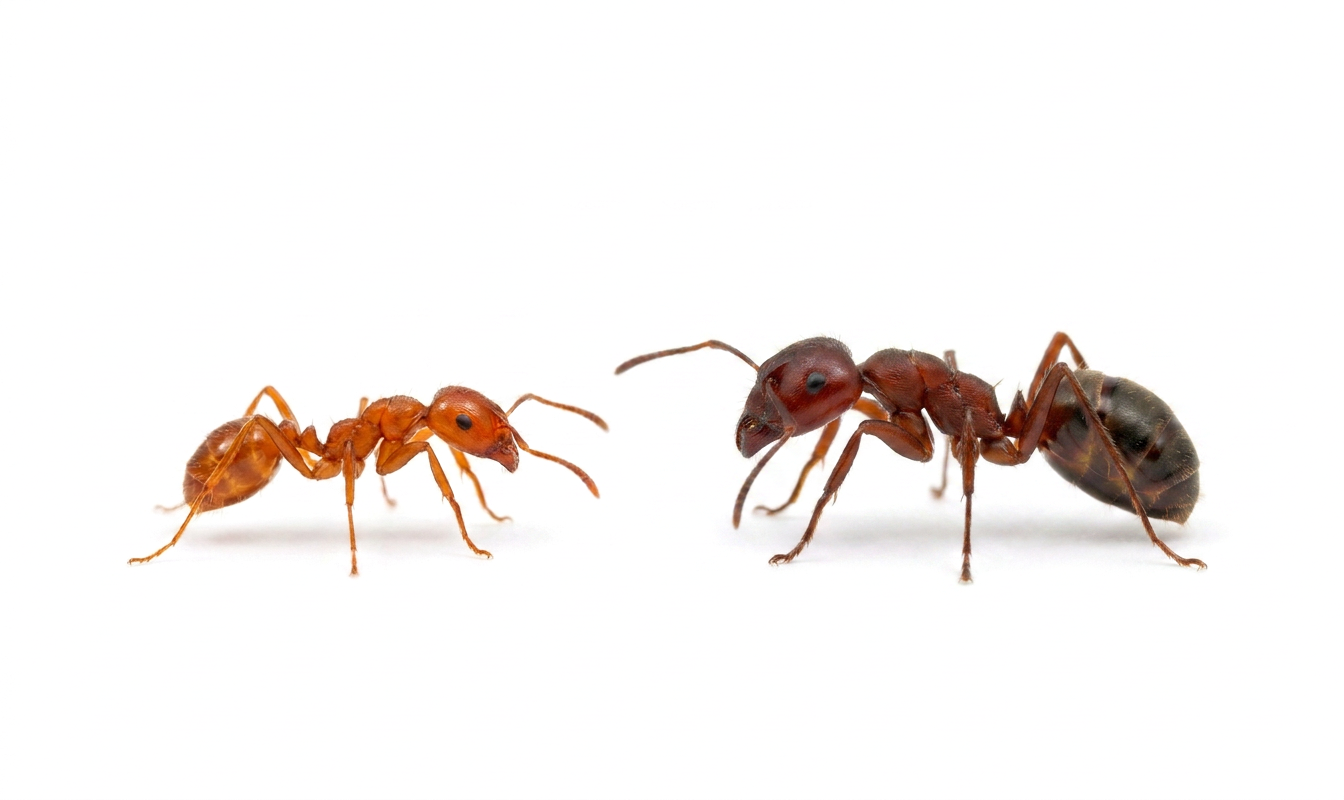
Size and color

Habitat
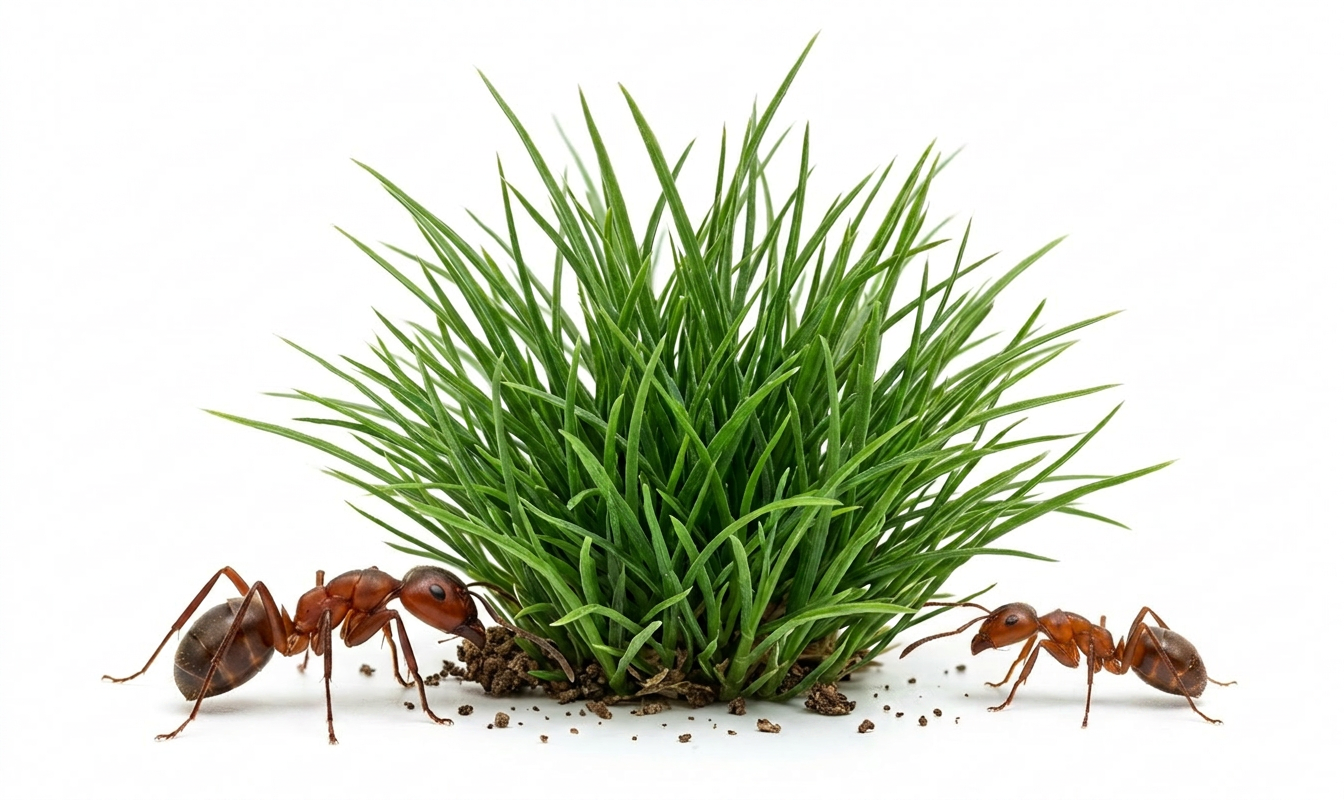
Where You See Them
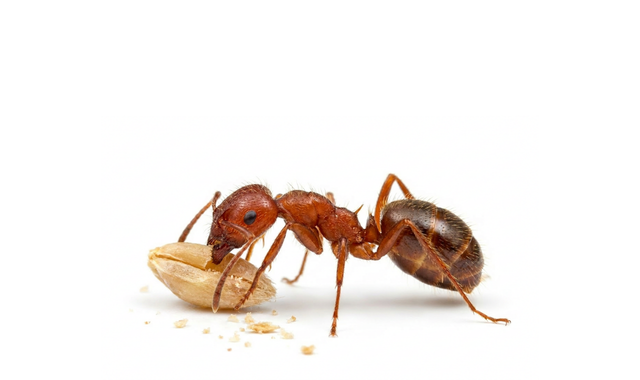
Feeding Habits
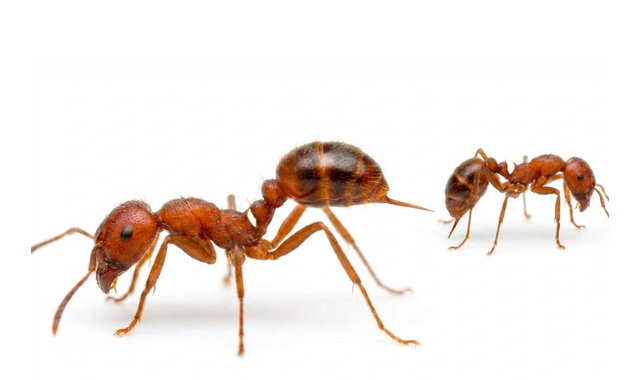
Behavior Patterns
FREQUENTLY ASKED QUESTIONS
-
Fire Ant Behavior
- Fire Ants are highly social insects, often living and foraging for food in colonies.
- Worker ants often forage for food at night, between sunset and midnight.
- Fire ants typically forage when air temperatures are between 70-to-90 degrees, making early evening and night the most popular times of day for activity.
-
Fire Ant Infestation Sites
- Some fire ants build their nests in open areas such as lawn and pastures, and next to or under timber, logs, rocks or bricks. While others prefer moist, sheltered spaces such as in trees and in leaf litter.
- Fire Ants can be found inside and may infest beds, furniture and food.
-
Signs of Fire Ant Infestations
- Visible ant trails: lines of ants traveling consistently between food sources and entry points, often along walls, baseboards, or countertops.
- Large mounds in open, sunny areas like lawns, pastures, athletic fields or swarms of ants in trees, potted plants, leaf litter and under debris and disturbed habitats, such as forest edges or agricultural fields
-
The Dangers of Ants
- These ants deliver a painful sting when disturbed; Fire ants are very active and aggressive repeatedly stinging and injecting venom that is usually painful causing welts and pustules.
- Invasive Red Fire Ant stings are immediately painful and usually turn into painful itching after a few minutes. However, these stings are sometimes fatal.
- Little Fire Ant stings are incredibly painful with a sharp, electric sting that can last for hours. These stings leave long-lasting welts and can cause blindness in pets and livestock.