

Tick Control
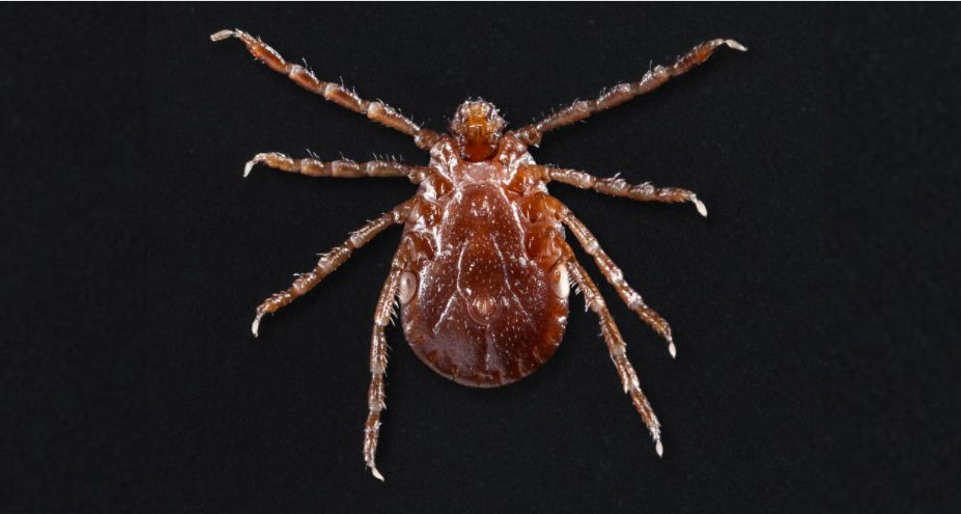
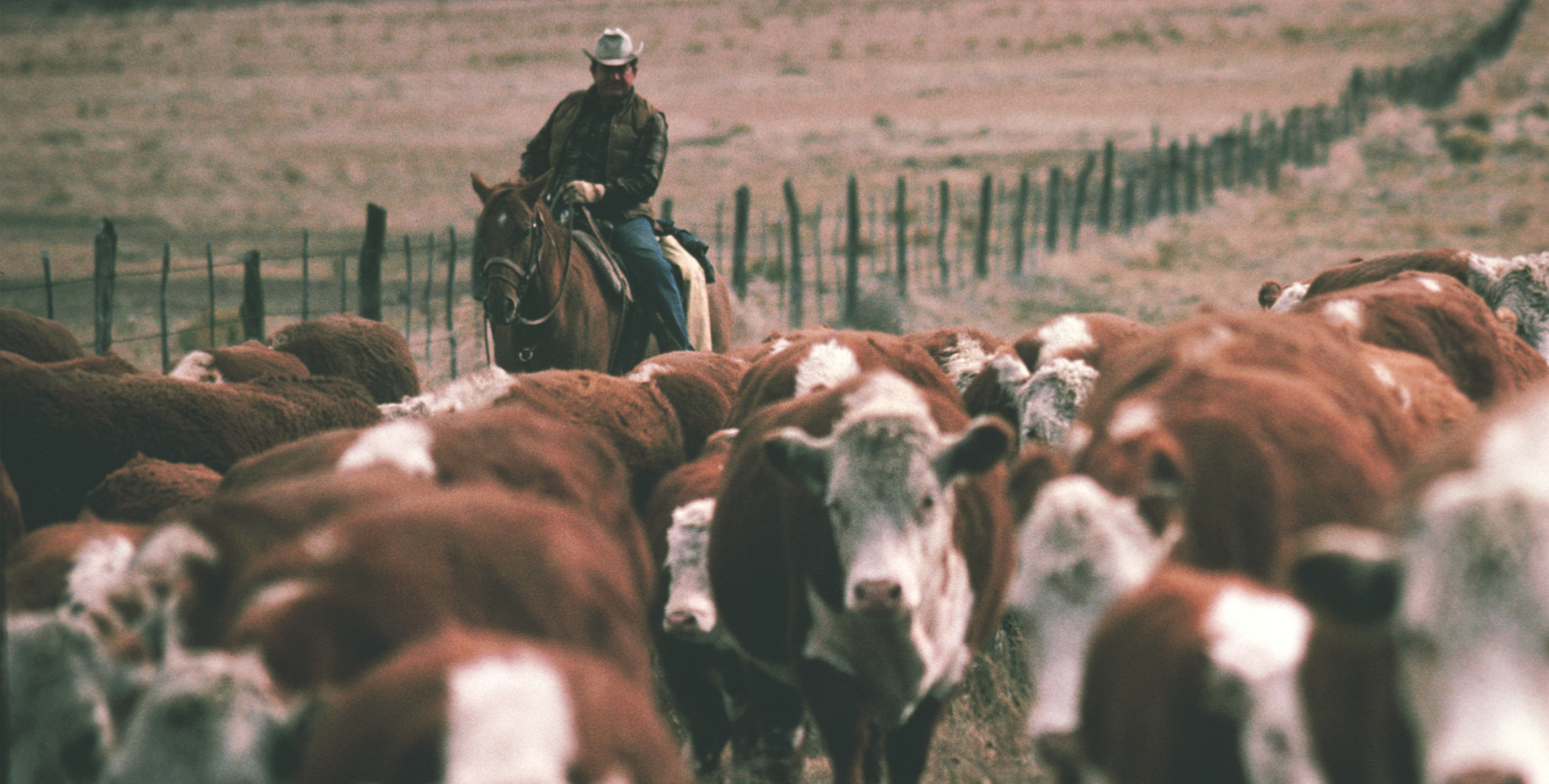
Ticks are tough pests that thrive in backyards, fields, and fence lines, hitching rides on people, pets, and livestock while spreading harmful diseases. Effective tick control starts with smart tick prevention, the right tick spray, and knowing how to handle tick removal. Read below to learn how to protect your yard, animals, and family from ticks.
-
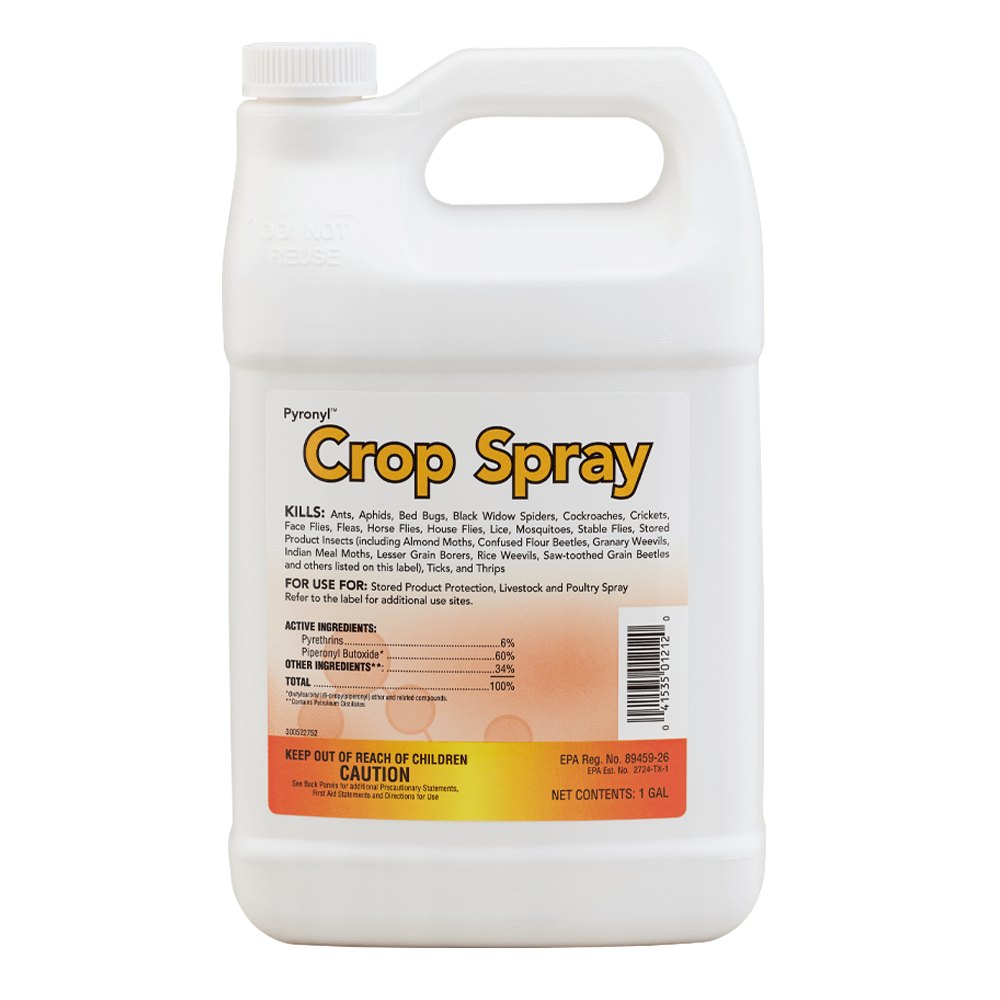
Pyronyl™ Crop Spray
A broad-spectrum insectide for use in dairies and feedlots as well as in poultry and swine operation for reliable control as part of an IPM program.
-
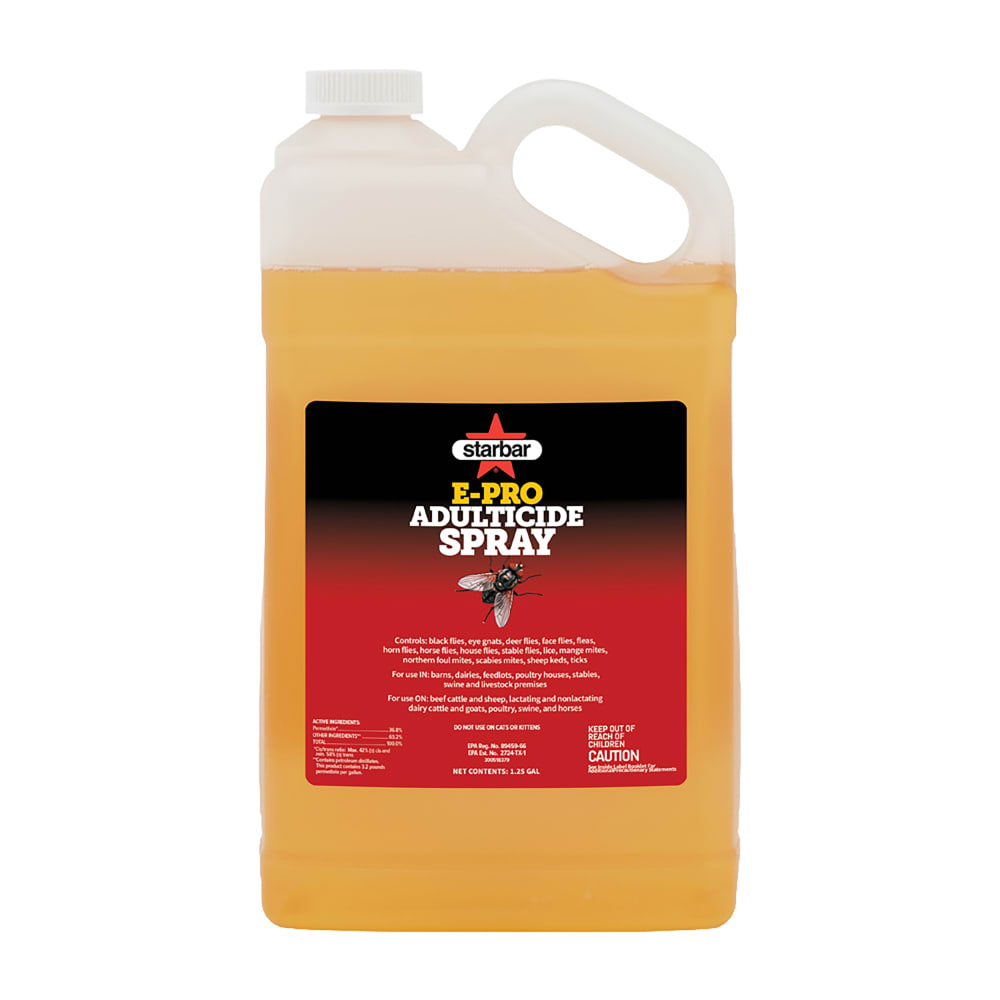
Starbar® E-Pro Adulticide Spray
A highly reliable insecticidal spray that controls flies and other bitting insects such mites lice and ticks on cattle swine poultry and horses.
-
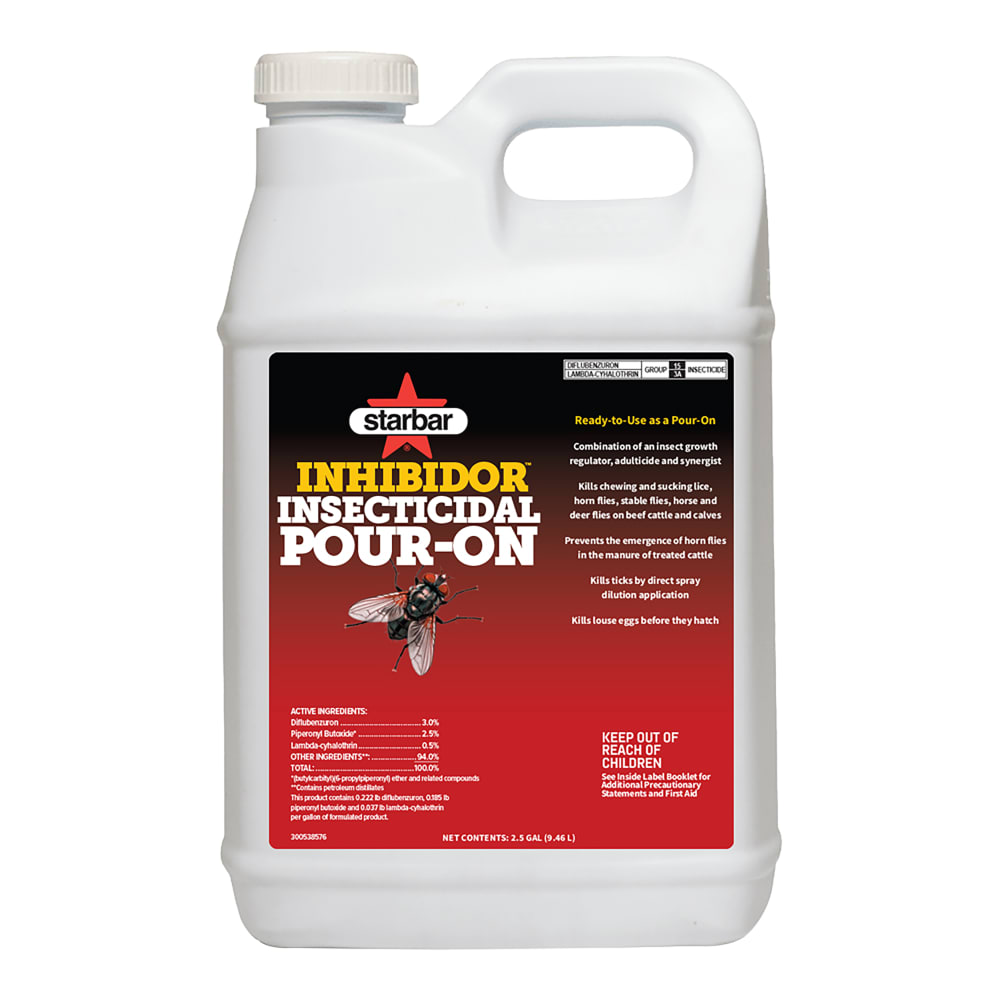
Inhibidor™ Insecticidal Pour-On
Featuring three active ingredients, Inhibidor™ Insecticidal Pour-On provides control of chewing and sucking lice, horn flies, horse flies and deer flies.
-
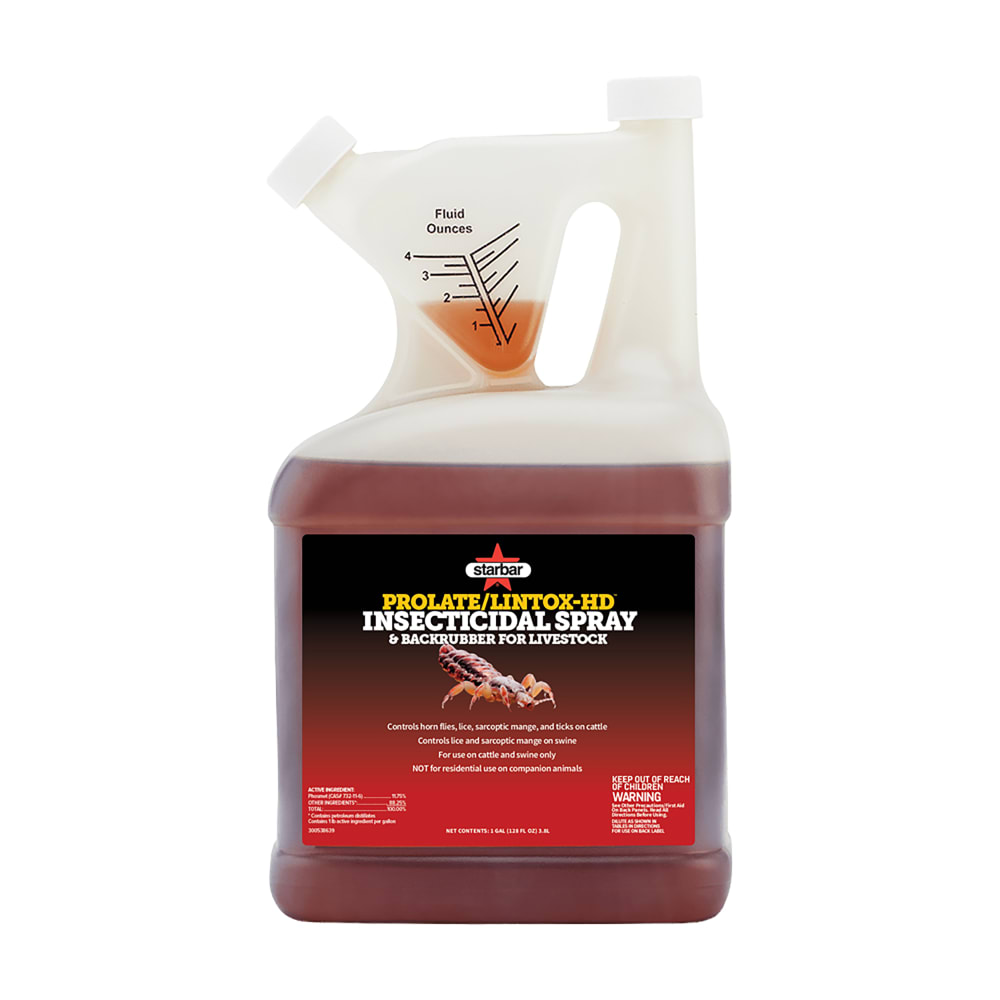
Prolate/Lintox HD™ Insecticidal Spray & Backrubber for Livestock
An on-animal dilutable concentrate to control flies, ticks and lice. It can be applied as a spray or in a back rubber.
-
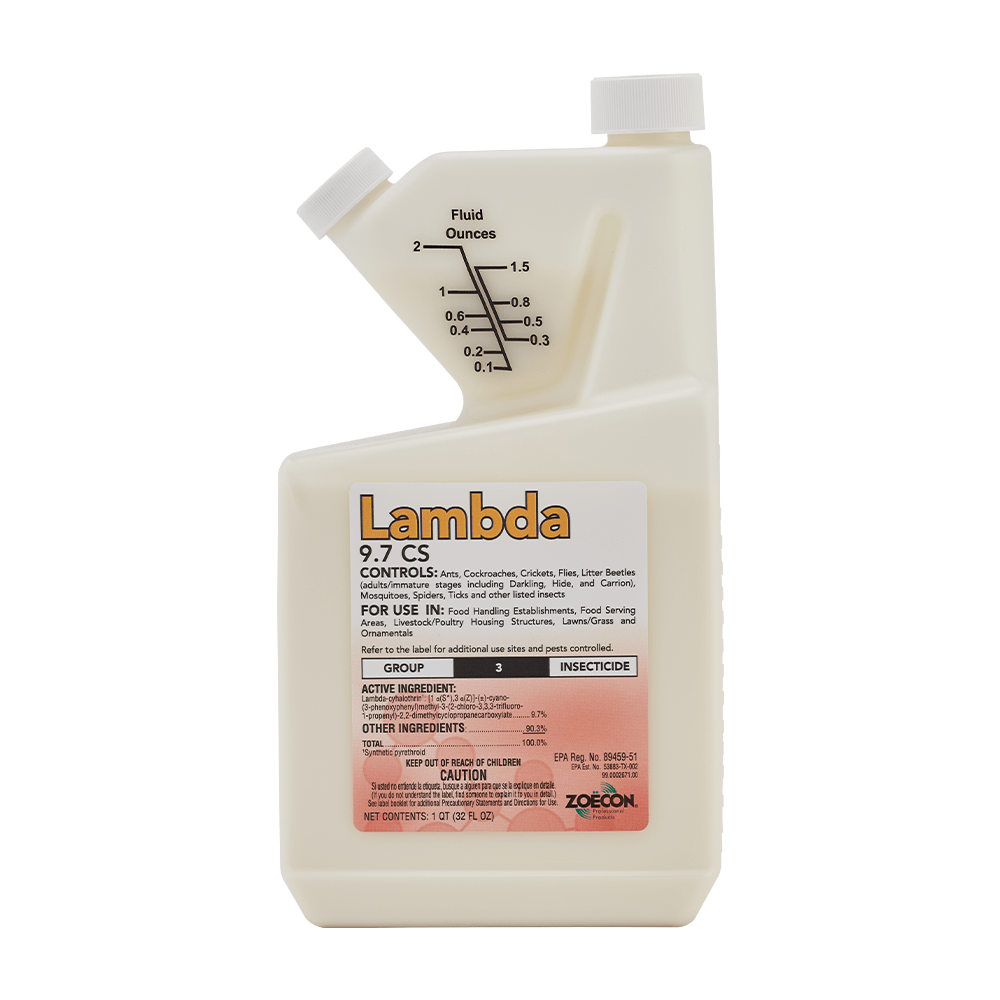
Lambda 9.7 CS
High quality adulticide for insect control in livestock areas and other farm structures. Great for perimeter treatments as part of an IPM protocol.
-
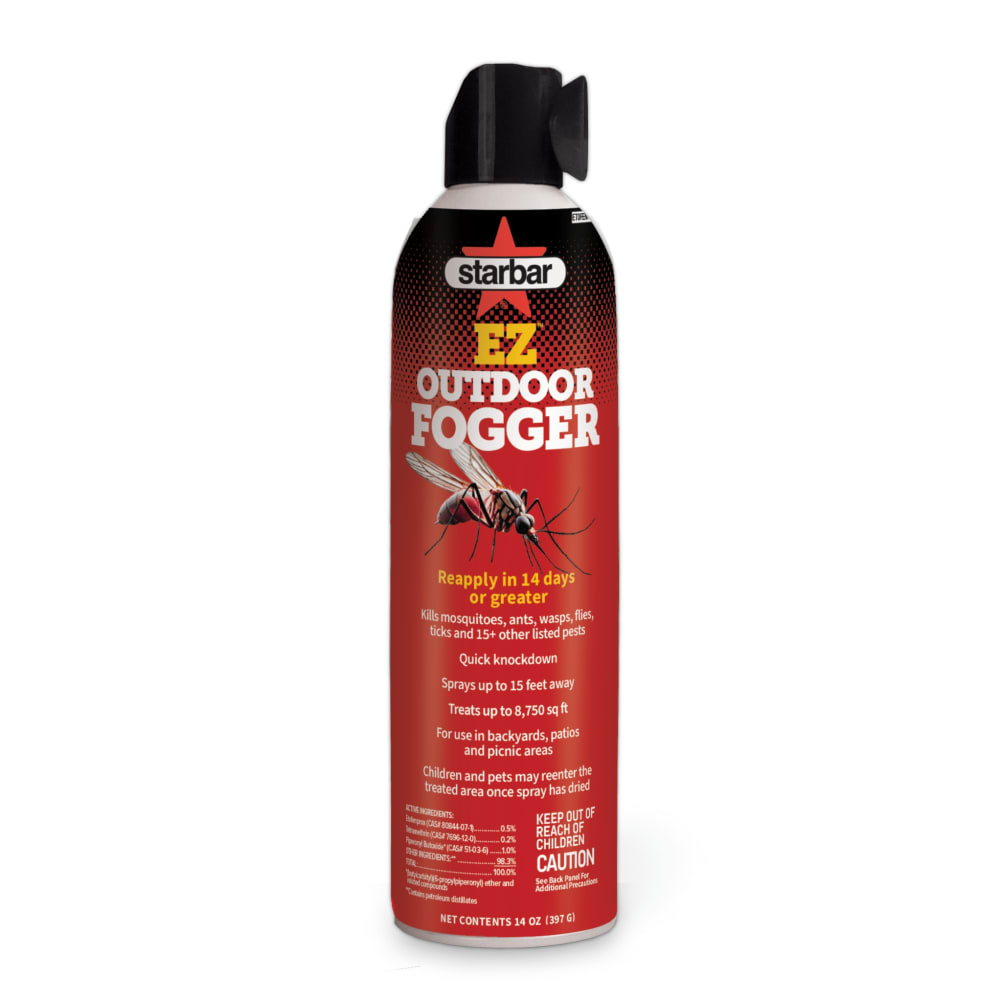
Starbar® EZ™ Outdoor Fogger
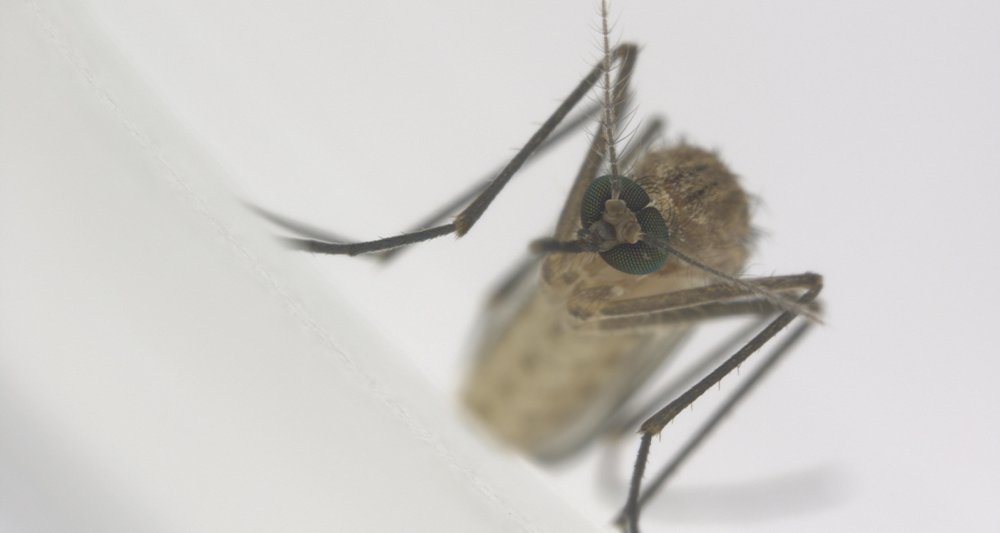
Starbar® EZ™ Outdoor Fogger kills mosquitoes, ticks, wasps, and 15+ pests. Sprays up to 15 feet and treats up to 8,750 sq ft. Perfect for backyards, patios, and picnic areas.
FREQUENTLY ASKED QUESTIONS
-
General Tick Behavior
- Ticks feed on the blood of their hosts and become active at about 45º F.
- Soft ticks live in the nests of their hosts, hard ticks live in the environment, except when feeding.
- Ticks have prolonged feeding behaviors that make them excellent vectors of disease.
- Tick questing is when hard ticks cling to vegetation in a position to latch onto passing animals.
- Hard ticks excrete a milky white substance that hardens like latex and helps them maintain their hold on hosts.
-
General Tick Infestation Sites
- Tall grass, weeds, and overgrown vegetation along lawns, pastures, and field edges.
- Wooded areas, brush piles, and fence lines where wildlife travel.
- Shaded, moist environments such as leaf litter or landscaping beds.
- Areas frequented by pets, livestock, deer, or small animals.
-
General Signs of Tick Infestations
- Ticks found on people, pets, or livestock after spending time outdoors.
- Increased scratching, irritation, or restlessness in animals.
- Regular tick sightings in yards, barns, or outdoor living areas.
- Presence of wildlife or rodents that commonly carry ticks.
-
The Dangers of Ticks
- Blood feeding may cause irritation, stress, or reduced animal performance.
- Heavy infestations can lead to health complications or secondary infections.
- Can transmit diseases affecting humans, pets, and livestock.
- Diseases Include: Anaplasmosis, Babesiosis, Borrelia Mayonii, Colorado tick fever, Ehrlichiosis, Lyme disease, Rickettsia parkeri rickettsiosis, Rocky Mountain spotted fever (RMSF), STARI (Southern Tick-Associated Rash Illness), Tularemia