
New World Screwworm Fly: Best Practices
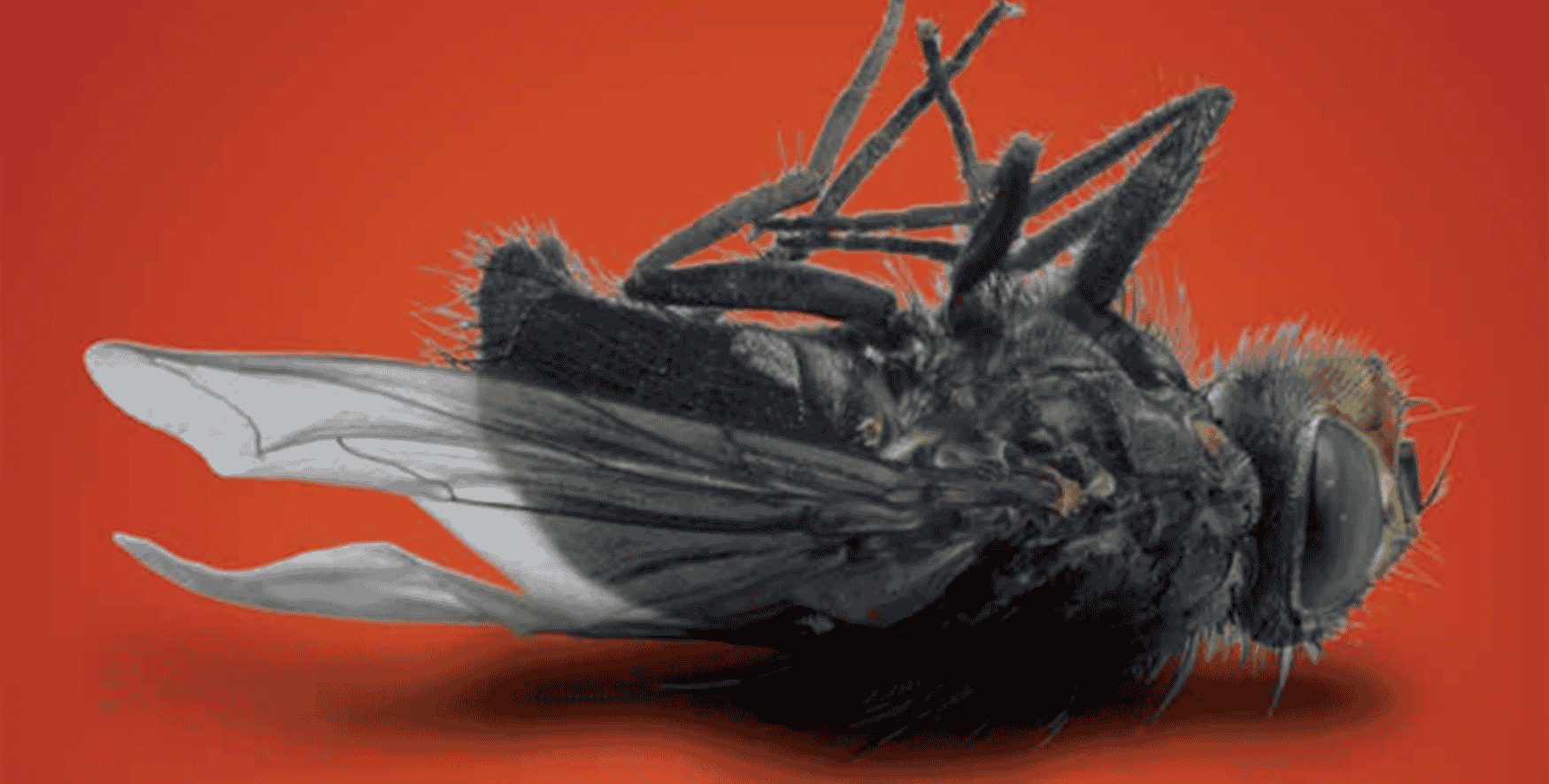
In early June 2026, the USDA confirmed detection of the New World Screwworm Fly (NWS) in the United States. The New World Screwworm Fly is a parasitic pest that infects the living tissue of warm-blooded animals, including livestock, pets, wildlife and, less commonly, birds and people. They lay their eggs in open wounds that can be as small as a tick bite.
Signs of New World Screwworm in Livestock can include:
- Weeping wounds
- Smell of decay
- Larva in wound
- Egg masses near eyes, nose and genitals
- Head shaking
- Increased unrest and/or agitation
.png)
Central Life Sciences is committed to the welfare of people and livestock and encourages livestock producers, regardless of where you live, to practice preventative husbandry and stay up to date on the New World Screwworm Fly evolving threat.
New World Screwworm Fly Best Practices
.png)
Review the USDA-APHIS Screwworm.gov guide and any guidance from your State Department of Agriculture, including reporting, treatment, quarantine, and movement restrictions for New World Screwworm Fly.
Work with your veterinarian to create prevention and treatment plans that follow USDA-APHIS and State Department of Agriculture guidance.
Inspect all livestock and pets often for wounds and signs of New World Screwworm Fly infection. Newborn animals and young animals are at higher risk.
Delay husbandry procedures that create open wounds, such as castrating, branding, or tagging, when possible. Consider adjusting breeding seasons so that calving, lambing, or kidding happens during cooler months, when New World Screwworm Fly activity may be lower.
Monitor wildlife and feral animal movement around pastures and report any unusual animal deaths right away.
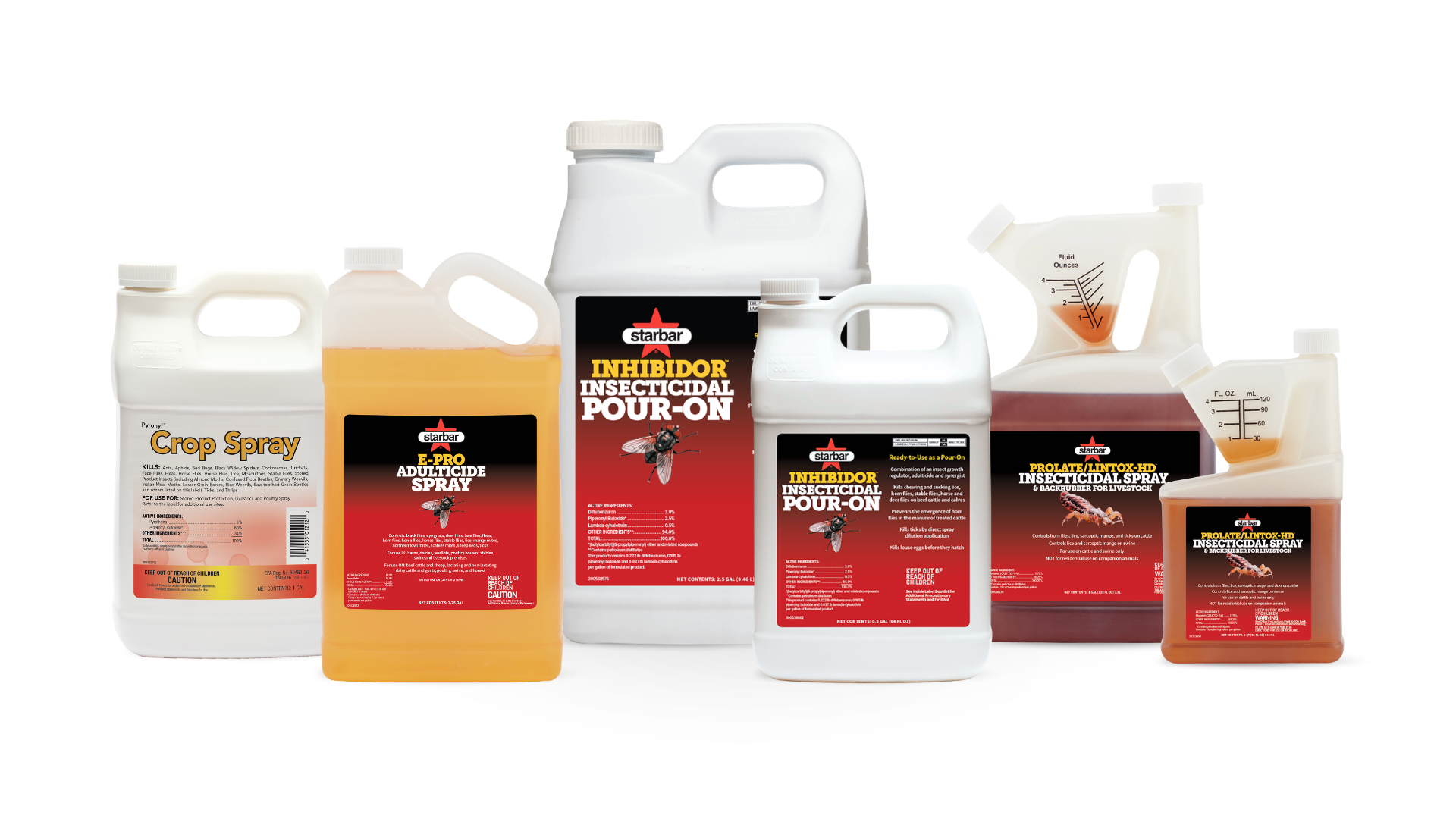
Starbar® Products recently announced 2(ee) labels for certain products that may be used to aid in prevention of New World Screwworm on cattle/livestock, including Inhibidor™ Insecticidal Pour-On, Prolate/Lintox HD™ Insecticidal Spray & Backrubber for Livestock, Starbar® E-Pro Adulticide Spray, Cattle Armor™ 1% Synergized Pour On, and Pyronyl™ Crop Spray.
FIFRA Section 2(ee) allows certain pesticide uses that are not specifically listed on a product label, provided the use site is already included on the label and the use is not otherwise prohibited. Individual states may accept these recommendations to help address emerging pest management needs, such as New World Screwworm response efforts.
ClariFly® Larvicide, Altosid® IGR, and Starbar® products can also help reduce fly and tick activity that may contribute to wound risk for New World Screwworm Fly. They are integral to livestock health, minimizing the population and feeding activities of biting flies and ticks. By increasing fly and tick control, producers can minimize New World Screwworm’s ability to use those wounds left by feeding activity.
New Starbar 2(ee) labels to be used to aid in prevention of New World Screwworm on cattle/livestock:
Cattle Armor™ 1% Synergized Pour On
Inhibidor™ Insecticidal Pour-On
Prolate/Lintox HD™ Insecticidal Spray & Backrubber for Livestock