

Controlling Wasps
Wasps vary in appearance, nesting habits, and level of aggression. Knowing the type of wasp around your property helps determine where nests may be located and how to manage them safely.
Types of Wasps
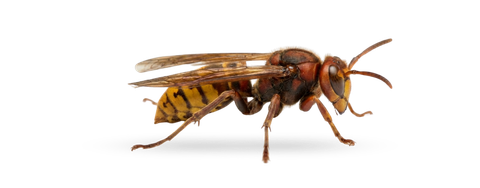
Paper Wasps
Found near eaves, decks, sheds, barns. Paper wasps build umbrella-shaped open nests; generally less aggressive unless disturbed.
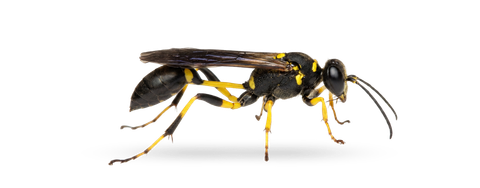
Mud Daubers
Found near walls, garages, barns, protected surfaces. These solitary wasps build mud tubes and rarely act aggressively toward people.
-
General Wasp Behavior
- Active during daylight hours, especially late summer and early fall.
- Hunt insects but are also attracted to sugary foods and proteins.
- Become more aggressive when defending nests.
- Frequently patrol the same areas near nesting sites.
-
General Wasp Infestation Sites
- Roof eaves, soffits, porches, and overhangs.
- Trees, shrubs, and dense vegetation.
- Wall voids, attics, sheds, and barns.
- Underground cavities, landscaping features, or abandoned rodent holes.
-
General Signs of Wasp Infestations
- Increased wasp activity around structures or outdoor gathering areas.
- Visible nests forming under eaves, in trees, or near entry points.
- Wasps entering and exiting a consistent hole or location.
- Frequent encounters near trash cans, outdoor kitchens, or animal feed.
-
The Dangers of Wasps
- Painful stings that may occur repeatedly if nests are disturbed.
- Risk of allergic reactions or medical emergencies from stings.
- Aggressive colony defense, especially later in the season.
- Interference with outdoor work, recreation, and animal handling.